

Your plumbing system works quietly in the background every day. It delivers clean water, removes waste, and supports everything from showers to laundry. Because so much depends on it, regular plumbing maintenance helps prevent unexpected problems and costly repairs.
This plumbing maintenance guide walks you through practical steps homeowners in New Jersey can take to keep their systems in good condition.
How to Maintain Your Home Plumbing System
If you’ve ever wondered how to maintain plumbing system components without calling a plumber for every small concern, the key is consistency. Small checks done regularly can prevent bigger issues later.
You can break plumbing maintenance into simple routines:
- Quick visual checks every few weeks
- Monthly drain care
- Seasonal inspections
- Annual professional reviews
Even basic habits, like noticing changes in water pressure or drainage speed, can alert you to potential concerns early.
Plumbing Maintenance Checklist
Below is a practical checklist you can use throughout the year. Think of it as a working part of your Plumbing Maintenance Guide, not a one-time task list.
Check for Leaks
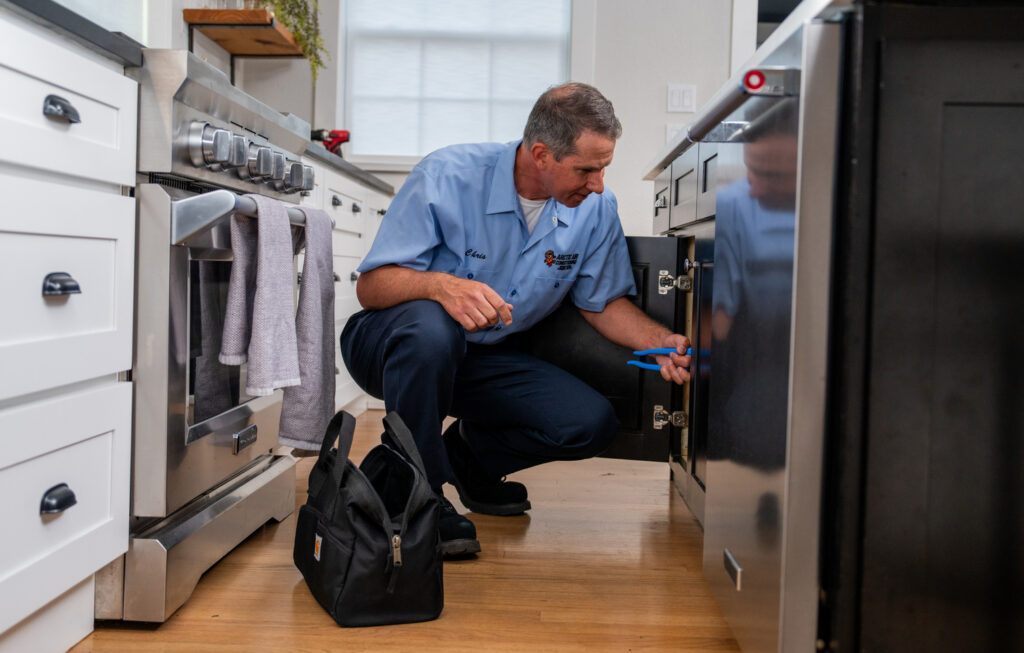
Look under sinks, around toilets, and near appliances for moisture. Even minor water leaks can waste water and lead to hidden damage over time.
Clear Drains
Slow drains often signal buildup. Use strainers in sinks and tubs to catch debris. Periodically flush drains with hot water to help reduce residue. If clogs persist, professional plumbing repair may be needed.
Listen for Unusual Sounds
Strange noises like banging or whistling in pipes may indicate pressure changes or loose components. Addressing these signs early helps prevent further damage.
Avoid Flushing These Items
Toilets are designed to handle waste and toilet paper only. Avoid flushing wipes, paper towels, or hygiene products, even if they claim to be flushable.
Don’t Put These Items in Drains
Kitchen drains are not meant for grease, oil, coffee grounds, or fibrous food scraps. These materials can build up inside pipes and lead to blockages.
Maintain Your Water Heater
Drain a small amount of water from the tank annually to reduce sediment buildup. Inspect the area around the heater for rust or pooling water.
Check Water Pressure
High water pressure may feel convenient, but it can strain pipes and fixtures. A pressure gauge can help you verify that your system is within recommended limits.
Winterize Pipes
In New Jersey, freezing temperatures can cause pipes to burst. Insulate exposed pipes and disconnect outdoor hoses before winter. If you notice signs of freezing, contact a professional rather than attempting aggressive thawing methods.
Why Plumbing Maintenance Matters in New Jersey
Homes in New Jersey face seasonal temperature swings, humidity changes, and older infrastructure in some areas. These factors make plumbing maintenance especially important.
Cold winters can stress pipes. Heavy rainfall can test drainage systems. Hard water in certain regions can leave mineral deposits inside fixtures and pipes.
Regular plumbing maintenance helps protect your home from these regional challenges.
When to Call a Professional
While homeowners can handle basic upkeep, some situations require trained technicians.
Consider professional plumbing repair if you experience:
- Persistent clogs
- Multiple slow drains
- Repeated Water leaks
- Low water pressure throughout the home
- Sewage odors
Professional inspections can identify deeper issues that aren’t visible from the surface.
Need Professional Assistance?
This Plumbing Maintenance Guide is designed to help you stay proactive, but you don’t have to manage everything alone. If you need help maintaining or repairing your plumbing system, experienced technicians are available to evaluate the issue and recommend practical solutions.
Schedule Online to arrange service at a time that works for you.
Schedule Online