


Blog
Signs of a Power Surge in Your New Jersey Home
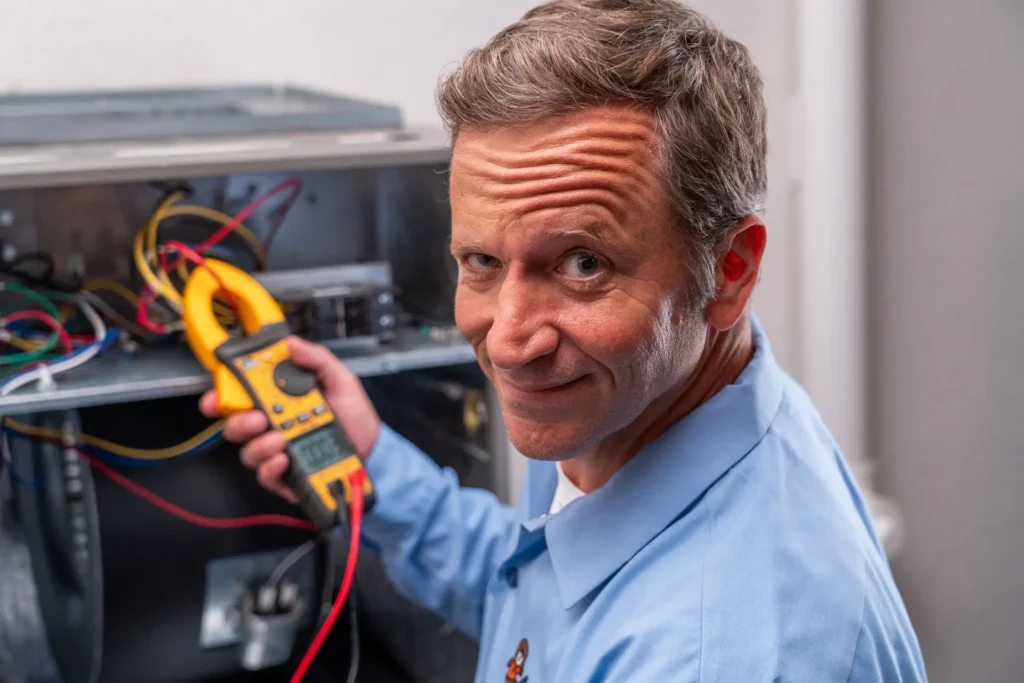
The signs of a power surge in your home are not always obvious. A sudden voltage spike can cause flickering lights, trip a breaker, reset digital clocks, or damage electronics. Smaller surges may not cause immediate failures but can gradually shorten the life of appliances and electrical equipment. Recognizing the warning signs early helps protect your home's electrical system.
Power surges can originate outside the home during storms or utility work, or inside the electrical system because of wiring or equipment problems. Understanding power surge warning signs, what causes power surges, and how surge protection works helps you know when to schedule an inspection.
Common Signs of a Power Surge
Some surges happen instantly, while others cause damage over time. Watch for these warning signs:
- Flickering or dimming lights.
- Breakers that trip unexpectedly.
- Buzzing outlets or switches.
- Burning odors near electrical devices.
- Warm or discolored outlets.
- Digital clocks that reset after brief outages.
- Chargers that stop working.
- Appliances or electronics that suddenly fail.
- Power loss affecting one circuit.
Some voltage spikes gradually damage motors, circuit boards, and sensitive electronics before a problem becomes obvious. If the same circuit continues experiencing problems, professional electrical repair identifies the cause before additional damage occurs.
What Causes Power Surges?
Lightning is one cause of a power surge, but it is far from the only one.
External causes include:
- Lightning strikes.
- Downed power lines.
- Utility switching operations.
- Power restoration after an outage.
Internal causes include:
- Air conditioners, refrigerators, or sump pumps cycling on and off.
- Faulty wiring.
- Loose electrical connections.
- Grounding problems.
- An overloaded electrical component.
Any of these conditions can create a power surge that affects connected appliances and electronics. If surges happen repeatedly, an electrical inspection can determine the source instead of replacing damaged devices one at a time.
Can a Power Surge Damage Appliances?
Yes. A voltage spike can damage televisions, computers, internet equipment, chargers, refrigerators, HVAC systems, and other appliances with electronic controls.
Repeated smaller surges can also shorten the life of equipment that continues operating. Circuit boards and motors are especially vulnerable because damage builds over time instead of appearing all at once.
What to Do After a Suspected Power Surge
If you believe a power surge has occurred:
- Unplug affected electronics if it is safe to do so.
- Note which outlets, circuits, or appliances are affected.
- Check for burning odors, smoke, sparks, or excessive heat.
- Do not keep resetting a breaker that continues tripping.
- Do not use outlets showing signs of damage.
If problems continue after power has been restored, schedule a professional electrical inspection.
How Whole-Home Surge Protection Helps
Plug-in surge protectors safeguard individual electronics, but they do not protect every circuit in the home.
Whole-home surge protection is installed at the electrical panel and helps redirect excess voltage before it reaches branch circuits and connected equipment. While no system prevents every surge, it significantly reduces damage from many common voltage spikes.
Proper installation depends on the condition of the home's electrical panels, grounding system, and wiring. Professional installation confirms the system is correctly sized and connected.
When to Schedule an Electrical Inspection
Schedule an inspection if you notice:
- Breakers that continue tripping after storms.
- Repeated flickering lights.
- Electronics failing without another clear cause.
- Warm or discolored outlets.
- Older wiring or an outdated electrical panel.
- Repeated storm-related outages.
Routine inspections through the Comfort Club can also identify aging electrical components before they lead to recurring electrical problems.
Professional Surge Protection in Old Bridge, NJ
Since 1977, Arctic has provided professional electrical services for homeowners throughout Old Bridge and surrounding Central New Jersey communities. Our licensed electricians inspect wiring, grounding, panels, breakers, and surge protection systems to determine the cause of recurring electrical problems.
Northeast storms, utility interruptions, and seasonal weather can increase the risk of power surges throughout the region. Homeowners in communities near the Jersey Shore and along the Garden State Parkway and Jersey Turnpike may experience storm-related outages and utility switching that contribute to voltage spikes.
If you've noticed the signs of a power surge in your home or want added protection for your electrical system, schedule service with Arctic for a professional evaluation.
Schedule OnlineFrequently Asked Questions
Common signs include flickering lights, tripped breakers, buzzing outlets, burning odors, reset clocks, damaged electronics, and appliances that suddenly stop working.
Yes. If the appliance remains plugged in, a voltage spike can still damage sensitive electronic components.
Power restoration can create temporary voltage fluctuations. If flickering continues after power stabilizes, the electrical system should be inspected.
You can reset a breaker once if there are no signs of heat, smoke, sparks, or burning odors. If it trips again immediately, leave it off and contact an electrician.
For many homeowners, yes. Whole-home surge protection reduces the risk of damage from common voltage spikes and complements plug-in surge protectors for individual electronics.