

Blog
Troubleshooting HVAC Issues
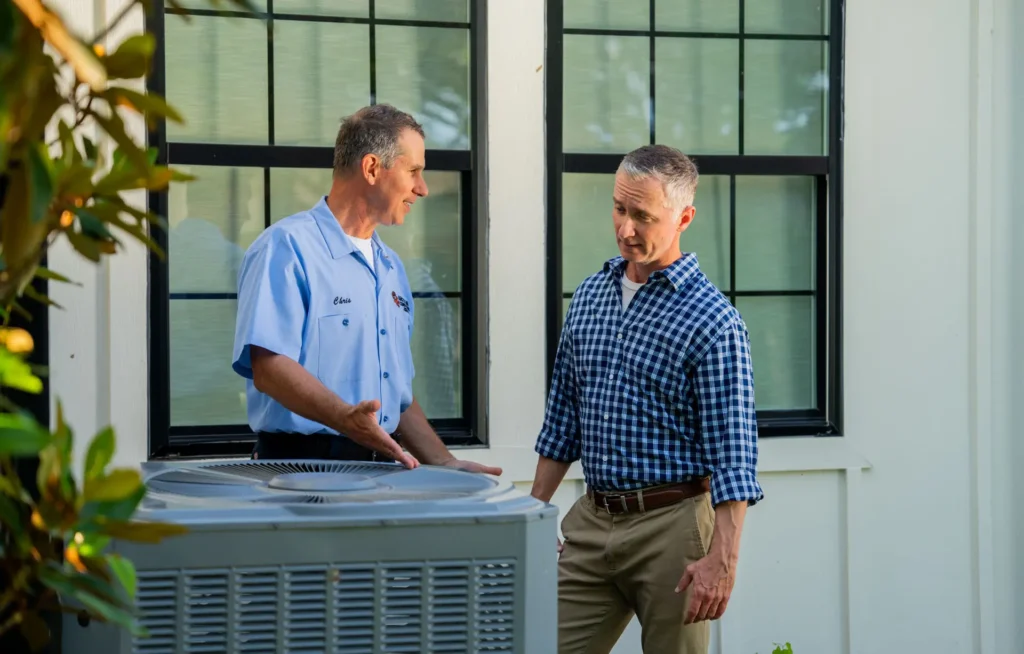
Most HVAC issues don’t show up all at once. A system might run a little longer than usual, struggle to keep up, or sound different than it used to. Those small changes are easy to ignore, but they’re often early signs that something isn’t working the way it should.
At Arctic Air Conditioning, we see common home AC problems and heating issues turn into bigger repairs simply because they weren’t addressed early. Knowing what to look for can help you decide when a quick fix is enough and when it’s time to bring in a professional.
Common HVAC Issues
AC or heat not turning on
If your system doesn’t respond when you adjust the thermostat, start with the basics. Check thermostat settings, batteries, and the breaker panel. Power issues and control problems are common causes when heating or cooling won’t turn on at all.
If the system still won’t respond after those checks, the issue may be electrical or internal.
System running but no cool or hot air
When the system runs but the air temperature doesn’t change, it often points to airflow or refrigerant problems. Dirty filters, frozen coils, or low refrigerant can all cause this issue.
This is one of the most frustrating HVAC problems because the system sounds like it’s working, but comfort never improves.
Little to no airflow
Weak airflow usually means something is restricting movement through the system. Clogged filters, blocked vents, or issues inside the blower can reduce airflow quickly.
Low airflow can also cause other problems, including overheating or frozen components.
Uneven heating or cooling
If some rooms are comfortable while others never quite reach the right temperature, airflow balance is often the issue. Duct problems, closed vents, or system sizing can all play a role.
Understanding how to size an air conditioner properly matters here, since systems that are too large or too small often struggle with even comfort.
Odors or unusual noises
New smells or sounds are worth paying attention to. Musty odors may point to moisture buildup, while burning smells can signal electrical problems. Rattling, buzzing, or banging noises often mean parts are loose or wearing out.
HVAC issues that involve sound or smell rarely fix themselves.
Increase in energy bills
A sudden rise in energy use without a change in habits often means the system is working harder than it should. Dirty components, worn parts, or airflow restrictions can all increase run time and energy use.
This is one of the most common early signs of HVAC problems.
Leaks around the system
Water near the indoor unit can come from clogged drain lines or frozen components. Refrigerant leaks are less common but more serious.
Any type of leak should be checked before it leads to additional damage.
Frequent breakdowns
If the system needs attention multiple times in a short period, that’s a sign something deeper is going on. Repeated heating and AC repairs usually mean the system is under strain or nearing the end of its service life.
When to Contact a Professional
What you can do on your own
Basic checks are always a good starting point. Replace dirty filters, make sure vents are open, confirm thermostat settings, and check breakers. These steps can resolve simple HVAC issues without a service call.
Issues that need a professional
If problems keep coming back, affect multiple areas of the home, or involve electrical components, refrigerant, or internal parts, it’s time to call for help. Ongoing HVAC problems are easier to resolve when they’re addressed before a full breakdown.
Trust the Local Professionals
HVAC systems are complex, and guessing can make issues worse. Arctic works with homeowners to diagnose HVAC issues accurately and recommend AC and furnace repairs that make sense for the system and the home. We even offer HVAC inspections to identify issues before they get worse.
Schedule online when heating or cooling problems don’t improve with basic troubleshooting.
Schedule Online